Building Sustainable Technology Ecosystems Through Manufacturing
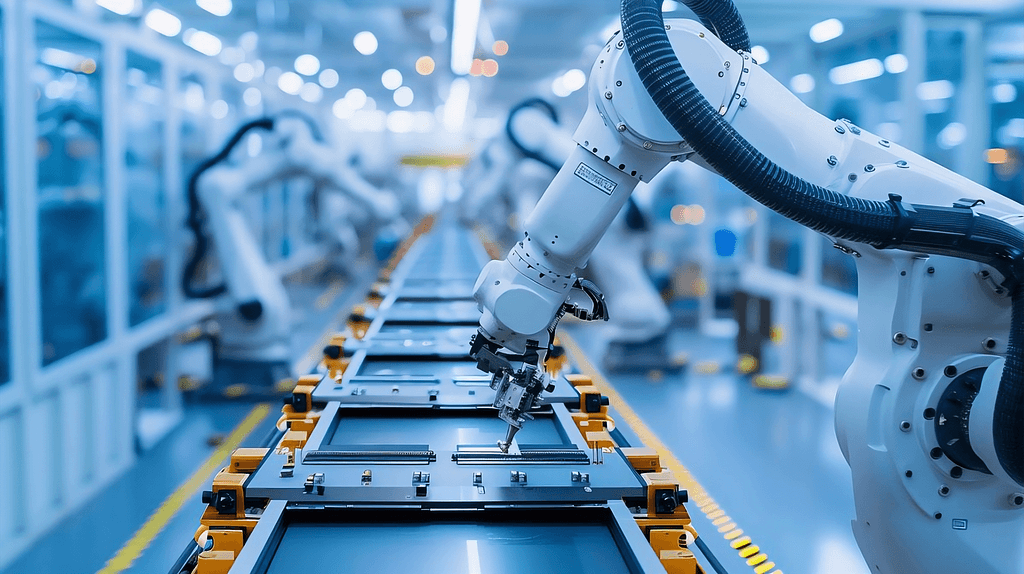
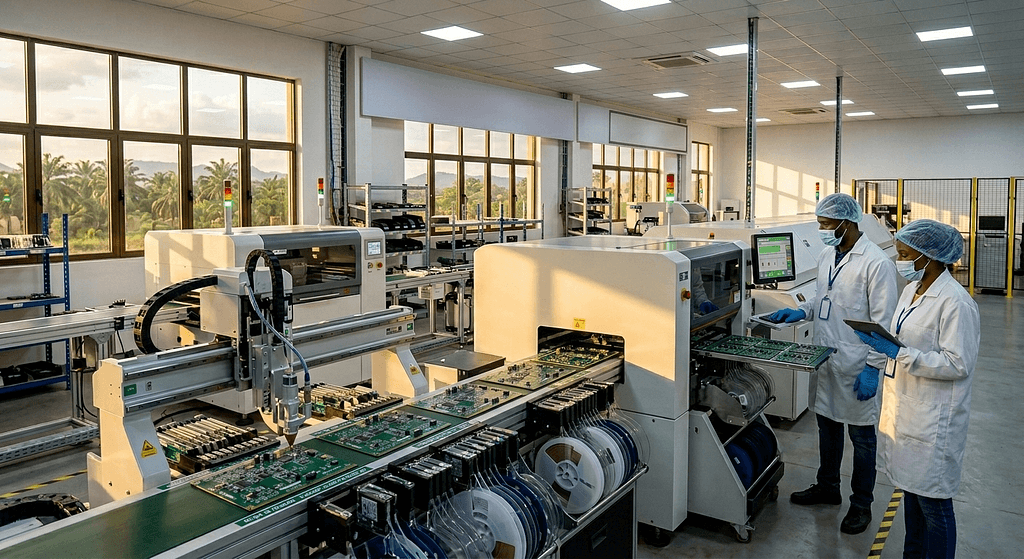
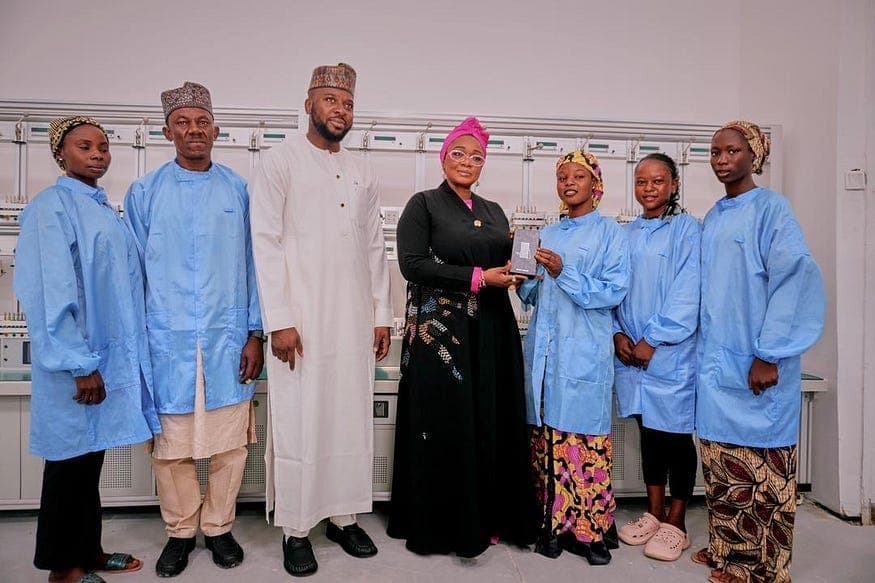
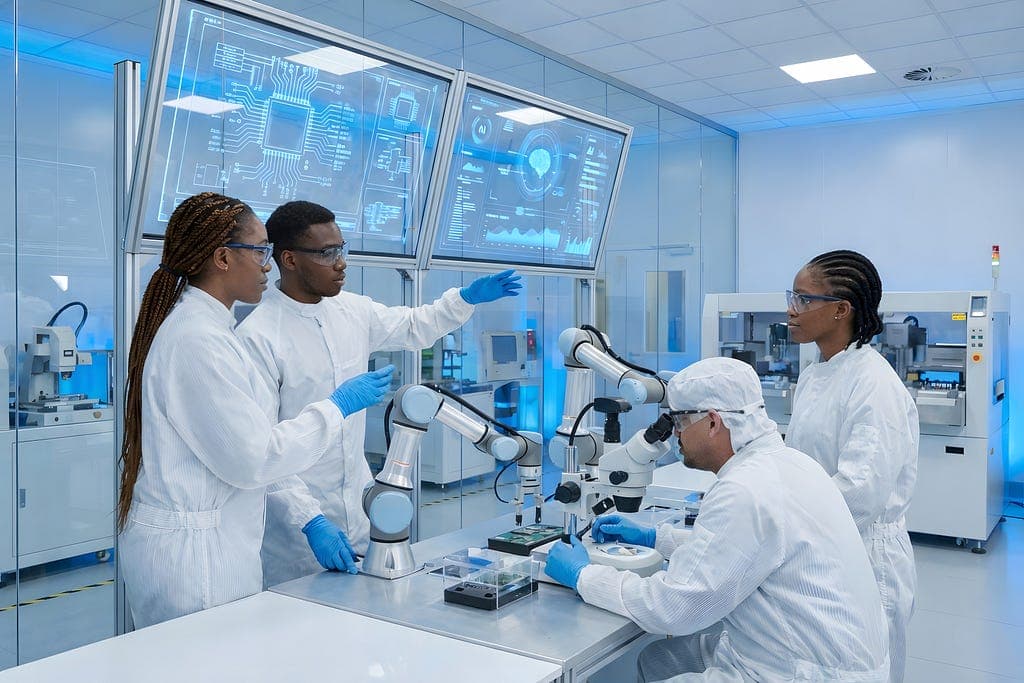
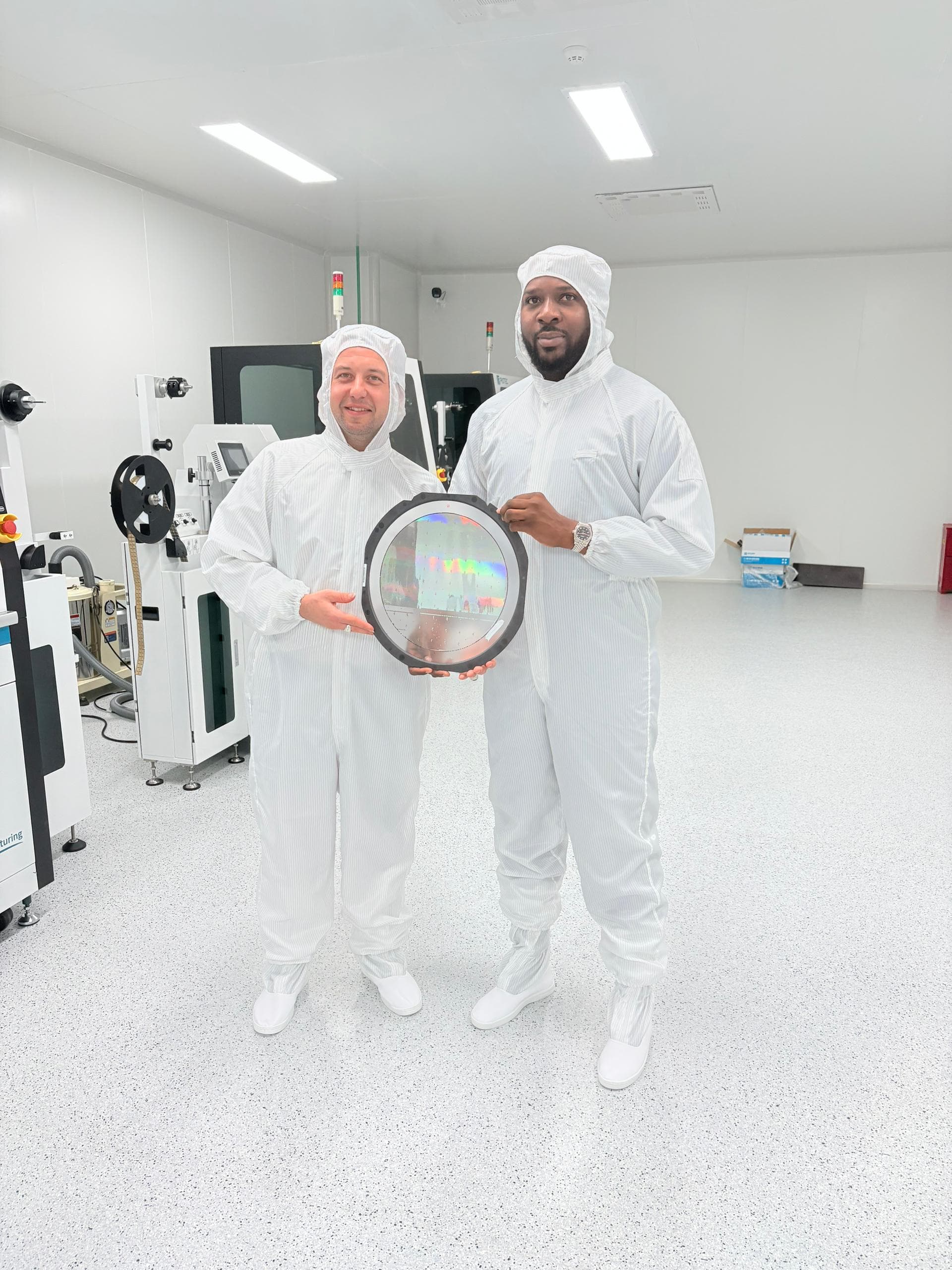
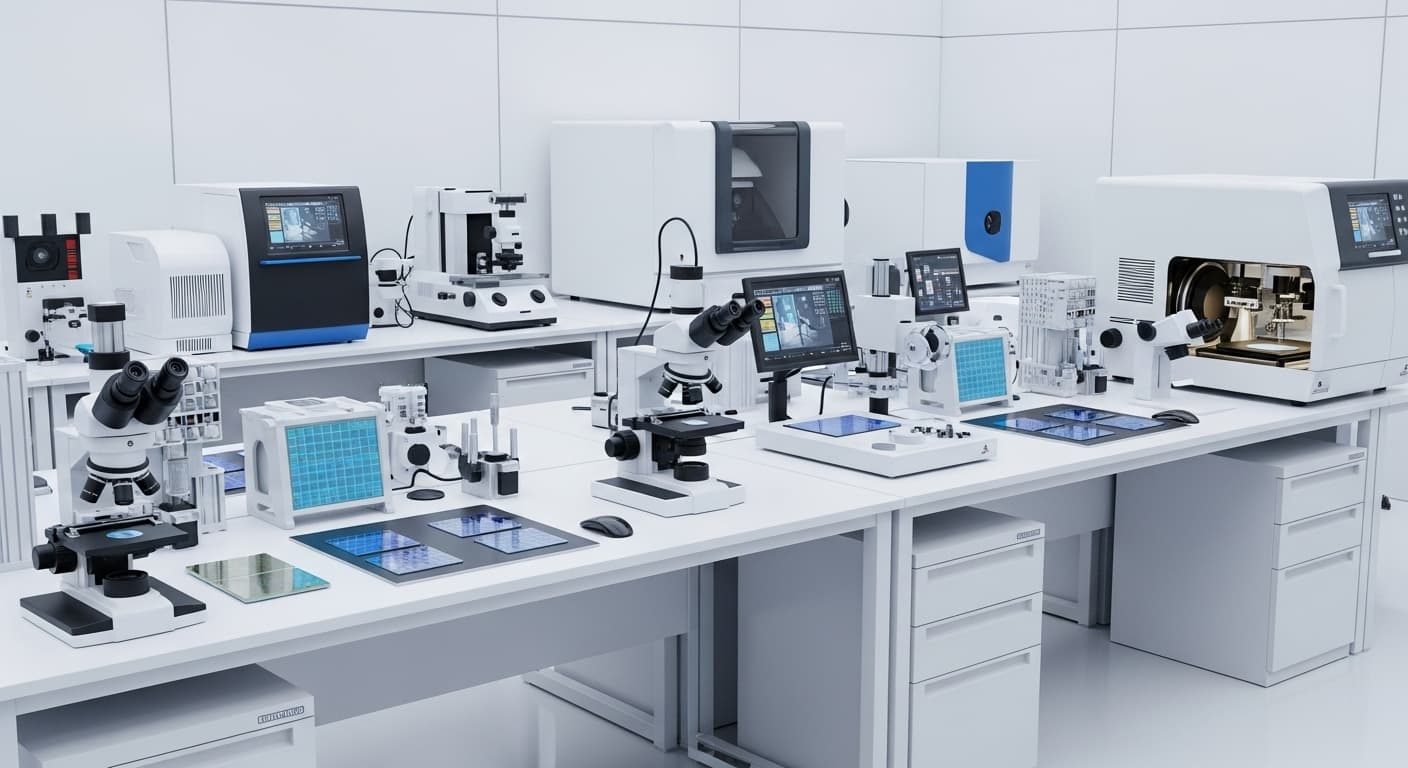
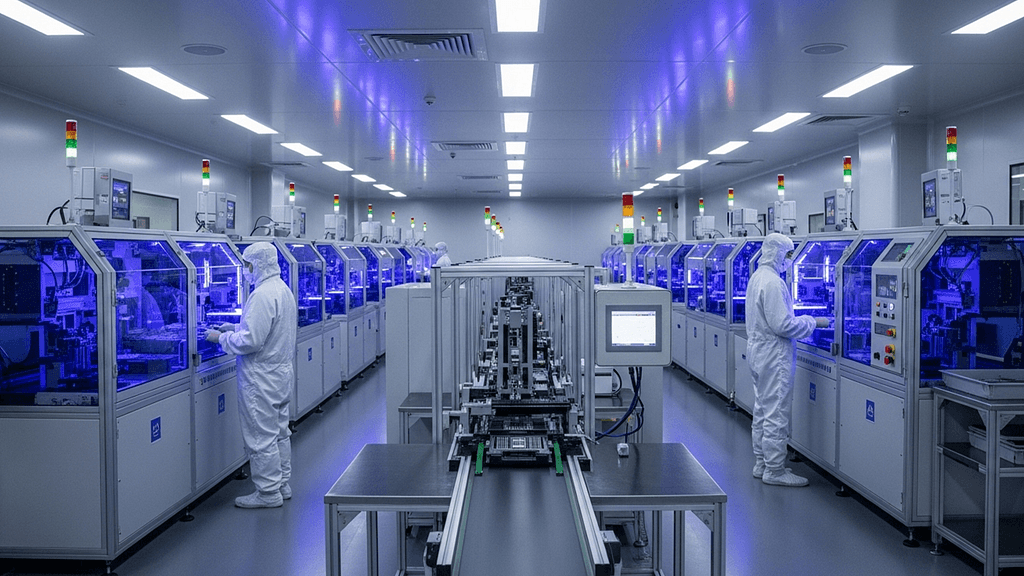
<p>As industries around the world embrace digital transformation, sustainability has become more than an environmental objective, it is now a business imperative. Organizations are increasingly seeking ways to develop technologies that not only drive innovation but also promote long-term economic growth, operational efficiency, and responsible resource management.</p> <p>Manufacturing plays a central role in achieving this vision. By combining advanced engineering, smart production processes, and continuous innovation, manufacturers are building technology ecosystems that support industries, strengthen supply chains, and create lasting value for society.</p> <p>A sustainable technology ecosystem is a connected network of people, processes, technologies, and infrastructure working together to deliver long-term impact. Rather than focusing solely on producing individual products, it emphasizes creating solutions that are reliable, scalable, and capable of supporting future innovation.</p> <p>These ecosystems encourage collaboration between manufacturers, engineers, technology providers, businesses, and research institutions to develop solutions that meet today’s needs while preparing for tomorrow’s opportunities.</p> <h3>The Role of Manufacturing in Sustainability</h3> <p>Modern manufacturing extends far beyond the production floor. It encompasses research, product development, quality assurance, process optimization, and continuous improvement, all of which contribute to building sustainable technologies.</p> <p>Manufacturers can support sustainability by:</p> <ul> <li>Designing products for long-term performance and reliability.</li> <li>Improving production efficiency through advanced manufacturing processes.</li> <li>Reducing waste through better resource management.</li> <li>Investing in innovation and engineering excellence.</li> <li>Strengthening local manufacturing capabilities and supply chains.</li> </ul> <p>These efforts not only improve operational performance but also contribute to economic development and industrial resilience.</p> <h3>Innovation as the Driving Force</h3> <p>Sustainable manufacturing depends on continuous innovation. As technologies evolve, manufacturers must adopt smarter production methods, embrace automation where appropriate, and integrate digital tools that improve quality, efficiency, and traceability.</p> <p>Emerging technologies such as Artificial Intelligence (AI), the Internet of Things (IoT), robotics, and data analytics are helping manufacturers optimize operations, improve decision-making, and respond more effectively to changing market demands.</p> <p>Innovation ensures that manufacturing remains competitive while supporting the development of products that address real-world challenges.</p> <h3>Strengthening Local Manufacturing</h3> <p>Developing strong local manufacturing capabilities is essential for building resilient technology ecosystems. Local production reduces dependence on external supply chains, creates employment opportunities, supports knowledge transfer, and encourages investment in engineering and technical skills.</p> <p>By nurturing local talent and expanding manufacturing capacity, countries can accelerate industrial development and position themselves as contributors to the global technology landscape.</p> <h3>Collaboration Creates Lasting Impact</h3> <p>No organization builds a sustainable technology ecosystem alone. Success depends on collaboration across industries, educational institutions, government agencies, technology partners, and the private sector.</p> <p>Working together enables the sharing of expertise, drives innovation, and creates opportunities to develop technologies that improve industries and enhance everyday life.</p> <h3>Shaping the Future Through Manufacturing Excellence</h3> <p>At Amal Semiconductor, we believe manufacturing is more than the production of electronic components — it is a catalyst for innovation, industrial growth, and sustainable development.</p> <p>By prioritizing quality, engineering excellence, and continuous improvement, we are committed to supporting the advancement of semiconductor manufacturing while contributing to a stronger technology ecosystem that empowers businesses, industries, and communities.</p> <p>The future of technology will be shaped by organizations that embrace sustainable manufacturing, invest in innovation, and foster meaningful collaboration. Every advancement in manufacturing strengthens the foundation for smarter industries, more resilient economies, and technologies that improve lives.</p> <p>As the demand for intelligent and connected systems continues to grow, sustainable manufacturing will remain a key driver of progress. Through innovation, responsible production, and a commitment to excellence, we can build technology ecosystems that create value today while preparing for the opportunities of tomorrow.</p> <figure><img alt="" src="https://cdn-images-1.medium.com/max/1024/1*RwTSr_Q8YXyYYrOPiW5g-w.png"></figure><img src="https://medium.com/_/stat?event=post.clientViewed&referrerSource=full_rss&postId=fdf015abbcca" width="1" height="1" alt="">